


Burmese Curly Sew-In Secrets: How to Get Soft, Full and Naturally Flawless Curls
Updated: Aug 24

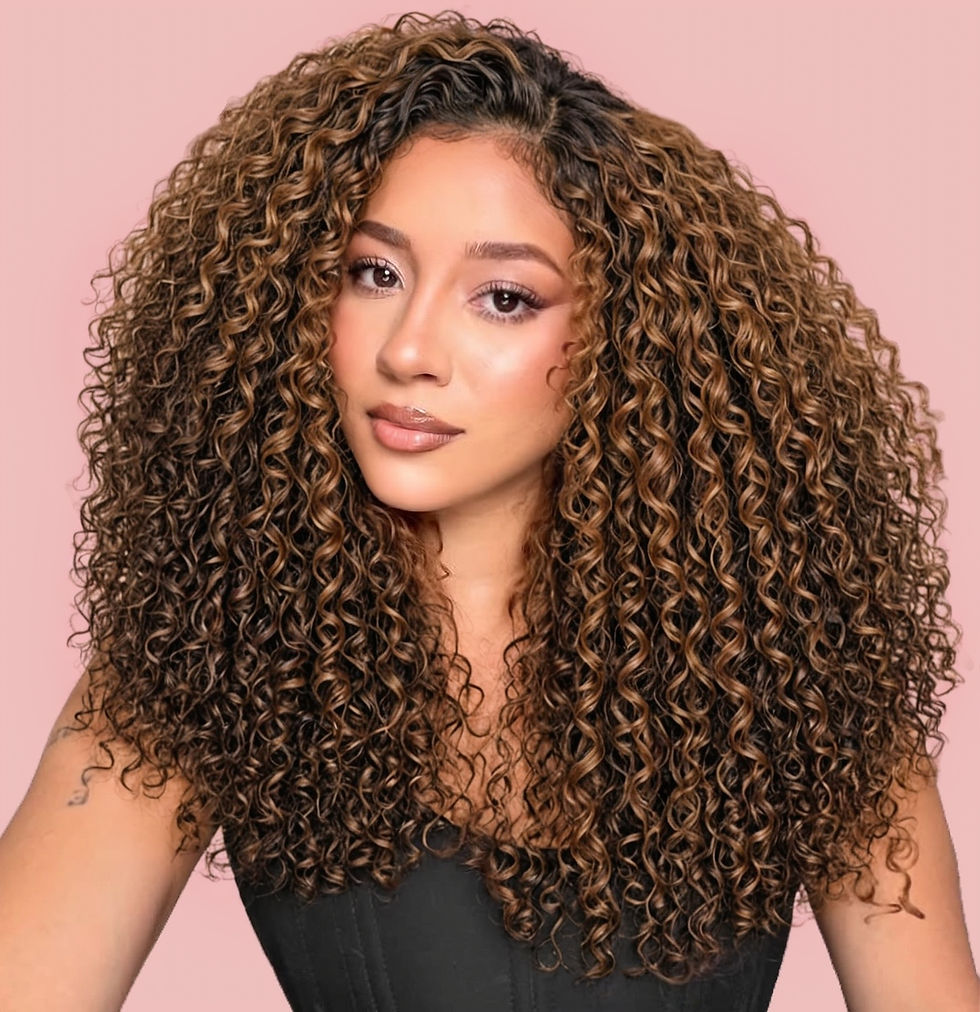
A beautiful curly sew-in should do more than add length. It should move naturally, frame your face and create enough volume to feel glamorous without looking stiff or overly styled. Burmese curly textures are especially loved for this kind of transformation because their curls can appear defined, soft and slightly undone at the same time. When installed thoughtfully, the finished mane has dimension, bounce and the believable fullness that makes people wonder whether the curls are growing directly from your scalp. The secret is not simply buying curly tresses and booking an appointment. The quality of the bundles, chosen lengths, installation pattern, blending method and maintenance routine all influence the final result. This guide explains how to plan a flattering Burmese curly sew-in, avoid common installation mistakes and explore modern styles that celebrate the texture instead of forcing every curl into perfect uniformity.
Why Burmese Curls Create Such a Soft and Believable Finish
For soft volume, Burmese Curly Hair Extensions are an appealing choice for anyone who wants defined curls with natural movement. Rather than creating a hard, heavily sculpted finish, the texture offers a beautiful balance of definition and softness, making it suitable for full sew-ins, leave-out installations, closures and frontal styles. The most attractive curly installations usually contain a little variation. Real curls do not sit in identical rows or fall in precisely the same direction, so a texture with movement and visual depth often looks more convincing.
Well-selected burmese curly bundles can create that effect by giving the finished style body at the roots, definition through the middle and soft fullness toward the ends. Density also matters. A curly mane naturally occupies more visual space than a straight texture of the same weight. This means you do not always need an excessive number of bundles to achieve a full result. The aim should be balanced volume that complements your face and lifestyle, rather than installing so much hair that the style becomes difficult to shape, cleanse or maintain.
Finding Realistic Style Ideas Before Your Sew-In Appointment

Before booking your installation, Raw Burmese Curly Hair Inspiration for Natural Sew-Ins can help you decide how much volume, length and curl definition you genuinely want. Saving reference images is useful, but look beyond the overall beauty of each photograph. Pay attention to the parting, layers, density, curl finish and how the tresses frame the model’s face.
When browsing burmese curly hair looks, choose examples that match your preferred installation method. A closure sew-in will not behave exactly like a leave-out installation, while a frontal may provide more styling freedom around the hairline.
Selecting realistic references helps your stylist understand whether you want a polished curl pattern, airy volume, a deep side part or an intentionally fluffy finish. It is also helpful to collect inspiration showing different stages of wear. Freshly installed curls may appear more defined, while the same mane can become softer and fuller after gentle separation. Looking at both finishes will help you understand how the texture may evolve and which appearance suits your personal beauty style.
How to Choose Bundles That Support Your Desired Result
Start with the finished look rather than choosing solely by length. If your goal is a soft shoulder-length style, medium lengths may provide movement without overwhelming the face. Longer curls can create a romantic, dramatic finish, but remember that curly tresses appear shorter than straight strands because the curl pattern reduces visible length. Before purchasing burmese curly bundles, compare the curl shape, density and appearance from the weft to the ends.
The curls should look dimensional rather than unnaturally identical. Pay attention to the condition of the ends because thin or excessively dry ends can make a new installation look less polished, even when the upper portion appears full. Bundle quantity will depend on length, head size, desired density and whether you are using a closure or frontal. Shorter lengths generally provide more volume per bundle, while longer lengths may require additional tresses for balanced fullness. Instead of automatically choosing the maximum quantity, speak with your stylist about the installation pattern and the amount needed to achieve your preferred silhouette.
Selecting Lengths That Flatter Your Face and Lifestyle
The most flattering length is not necessarily the longest available option. Consider your height, face shape, daily routine and the amount of styling you are prepared to manage. Short and medium curly sew-ins can feel fresh, lightweight and easy to shape, while longer installations create more drama and styling versatility. Layering two or more complementary lengths can prevent the mane from forming a heavy triangular shape. Shorter curls placed near the face add lift and movement, while longer sections create a graceful outline through the back.
This approach works especially well for burmese curly hair looks inspired by rounded silhouettes, cascading layers or full-bodied side parts. Ask your stylist to shape the installation only after the bundles have been placed and the curls have settled. Cutting curly tresses while they are stretched or overly wet may make it difficult to predict their final position. A curl-by-curl approach allows the stylist to preserve length while removing unnecessary bulk and creating a more personalized frame.
Building a Seamless and Comfortable Sew-In Foundation
A flawless result begins underneath the visible curls. The braid pattern should feel secure without creating painful tension around the hairline or scalp. A foundation that is too bulky can make the installation sit unnaturally high, while excessively tight braids may cause discomfort and place unnecessary stress on your natural mane. The wefts should be positioned to support the intended parting and volume.
If you want a deep side part, the placement must allow the curls to sweep naturally without exposing tracks. For a middle part, balanced density on both sides will prevent one section from appearing noticeably heavier. Installation does not need to use every inch of every bundle. Strategic placement often creates a more believable result than forcing too much density onto the foundation. Your stylist can leave appropriate space between tracks while concentrating fullness where it contributes most to the overall shape.
Creating a Natural Blend Without Disturbing the Curl Pattern
If you are wearing leave-out, the visible section of your natural mane should be minimal and carefully positioned. Choose this method only when your own texture can blend comfortably without requiring constant heat manipulation. Repeated straightening or curling may weaken the leave-out and make the style more demanding than expected. A closure can provide a lower-manipulation alternative while still creating a realistic part.
The closure texture should coordinate with the surrounding burmese curly bundles, particularly in curl size, density and finish. Even beautiful individual pieces can look disconnected when their textures are noticeably different. Avoid coating the roots with heavy oils or thick styling creams in an attempt to make everything look shiny. Excess product can flatten the curls, attract buildup and reduce movement. A light hand usually creates a softer, more expensive-looking finish.
Refreshing the Curls Without Creating Crunch or Buildup
Curly extensions do not need to be saturated with styling products every morning. Begin by lightly misting the areas that need attention, then use your fingers to encourage the curl pattern. If additional control is required, apply a small amount of lightweight curl product rather than coating the entire mane. When refreshing burmese curly bundles, work in sections and start at the ends. Pulling from the roots can create unnecessary tension and may loosen the installation. Separate tangles patiently with your fingers before introducing a wide-tooth comb.
The goal is to preserve the curl groups while removing knots, not to brush the texture into a cloud of frizz. Allow the curls to air-dry whenever your schedule permits. If a dryer is necessary, use a diffuser on a gentle setting and avoid concentrating heat on one area for too long. Once dry, separate selected curls with your fingers to restore volume. Do not separate every curl, because leaving some definition intact creates a more dimensional finish.
Modern Styling Ideas for Every Curl Mood
A deep side part is one of the most flattering burmese curly hair looks for creating instant volume. Sweeping the curls across one side adds height near the crown and produces a glamorous shape without requiring complicated styling. Soft face-framing layers can make the effect feel even more intentional. For a clean and balanced appearance, try a middle part with the curls shaped into a rounded silhouette. This look draws attention to the symmetry of the face while allowing the texture to remain the main attraction. It works especially well when the density is full but not excessively heavy around the cheeks.
A half-up, half-down style is ideal when you want to display the length while keeping curls away from the face. Use gentle accessories that will not catch or pull the tresses. A low side ponytail, loose pinned-back section or carefully styled headband look can also refresh the installation without requiring a complete restyle. For a more relaxed finish, allow the curls to expand naturally over several days. Some of the most captivating burmese curly hair looks are not perfectly separated or freshly defined. A little softness around the crown and ends can give the style that effortless, lived-in beauty often seen in editorial curl inspiration.
Protecting Your Sew-In While You Sleep
Nighttime care determines how manageable the installation feels the following morning. Divide longer curls into a few loose sections to reduce tangling, then cover the mane with a satin bonnet or scarf. A satin pillowcase provides additional protection if the bonnet moves during sleep. Avoid going to bed while the tresses are wet. Damp curls pressed together overnight may develop tangles, unwanted odors or an uneven pattern. If you refresh the style in the evening, allow enough drying time before covering it.
Keeping the sections loose will protect the curls without stretching them excessively. In the morning, release each section and gently shake the roots. Use your fingers to reposition the curls before adding water or product. Often, only the front and ends need refreshing. This targeted approach helps preserve movement and prevents the buildup that can make curly extensions feel heavy.
Washing and Maintaining Definition Between Appointments
Wash the installation when buildup, sweat or scalp needs make cleansing necessary. Dilute shampoo with water and apply it carefully to the scalp and foundation, allowing the lather to travel down the tresses without vigorous rubbing. Rinse thoroughly because residue trapped beneath the sew-in can affect comfort and freshness. Condition the lengths and ends, then detangle the burmese curly bundles in manageable sections.
Support the wefts with one hand while working through the curls with the other. Begin at the ends and move upward gradually. This method reduces pulling and helps the curl pattern remain organized. After rinsing, blot excess water with a soft towel or clean T-shirt. Do not rub the mane back and forth, as friction can encourage frizz and tangling. Arrange the curls in their desired position and let them dry completely. Once dry, lift the roots gently and separate only the areas that need additional volume.
Common Mistakes That Can Ruin an Otherwise Beautiful Install
One common mistake is choosing too much density simply because a dramatic look appears attractive in photographs. An overly heavy installation may hide the shape of the curls and become difficult to maintain. Thoughtful placement and layering usually create better movement than excessive fullness. Another mistake is expecting every saved image to translate exactly onto every person. Face shape, chosen length, bundle density and installation method all influence the outcome.
Use burmese curly hair looks as a visual guide, but allow your stylist to adapt the shape to your features and preferred level of volume. Brushing dry curls aggressively, applying heavy products daily and neglecting nighttime protection can also shorten the style’s attractive lifespan. Curly tresses respond best to patience and moderation. Gentle handling preserves the pattern, while strategic refreshing keeps the mane soft instead of sticky or stiff.
Final Thoughts on Achieving Your Dream Curly Sew-In
A naturally flawless Burmese curly sew-in comes from making several thoughtful choices work together. Quality tresses provide the foundation, but suitable lengths, balanced density, a comfortable braid pattern and careful shaping determine whether the finished style feels personal and believable.
Choose burmese curly bundles according to the look you want to create rather than purchasing based on length alone. Use burmese curly hair looks to communicate your preferred parting, shape and finish, then work with your stylist to adapt those ideas to your features and lifestyle. Once installed, keep the routine simple: detangle gently, use lightweight moisture, protect the curls at night and avoid unnecessary heat or product buildup. With the right approach, your sew-in can remain soft, full and beautifully dimensional while delivering the effortless curl energy that makes this texture so captivating.


Comments