


How Does Burmese Curly Hair Hold Up After Installation?
Updated: Aug 24

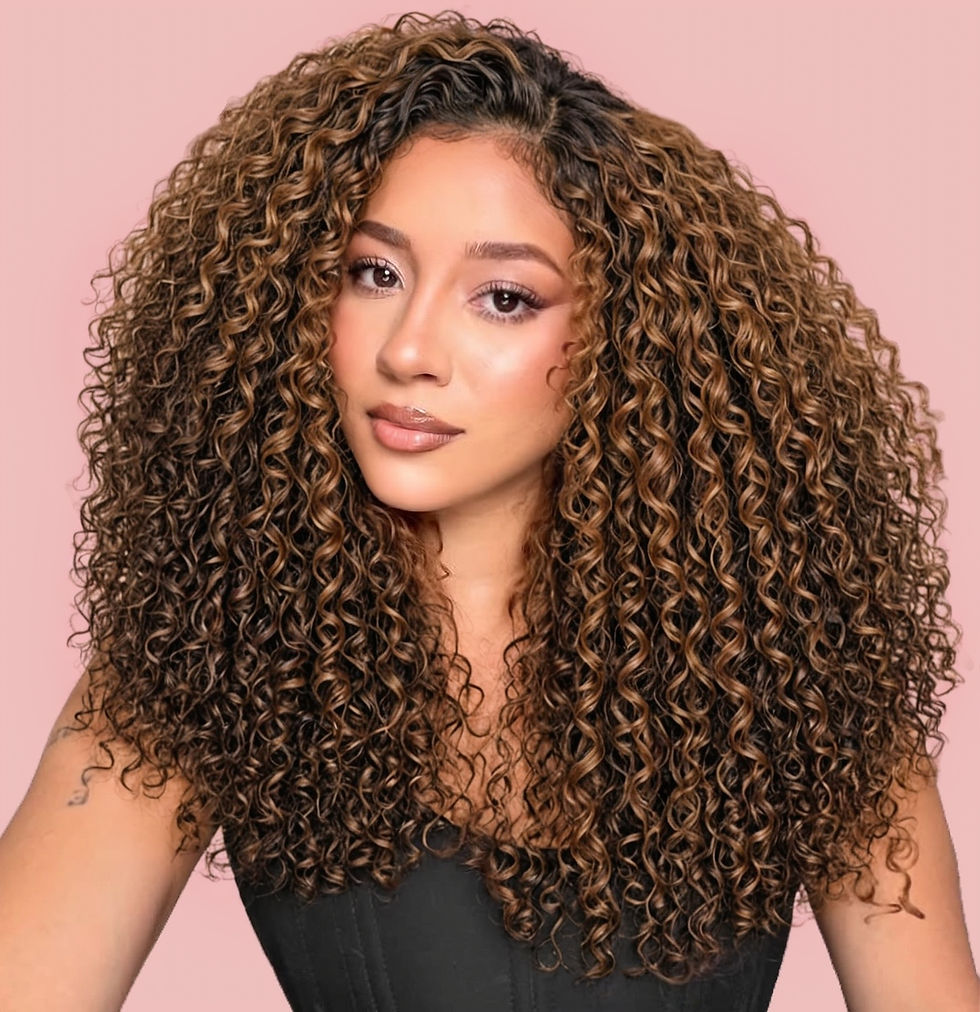
Burmese Curly Hair is admired for its soft feel, naturally full appearance, and distinctive curl pattern. Although the texture may look beautiful immediately after installation, many wearers want to know what happens after several days or weeks of regular use. They want to understand whether the curls retain their shape, whether the mane remains soft, and how washing, sleeping, styling, and changing weather conditions affect the final result. The performance of curly extensions depends on more than their appearance on installation day. The quality of the tresses, the installation method, the products applied, and the way the curls are handled all influence how well the texture holds up. With consistent care, Burmese Curly Hair can continue to look full, defined, and natural without requiring an overly complicated routine. It is also important to have realistic expectations. Curly textures naturally expand, separate, and soften as they are worn. These changes do not automatically indicate poor quality. In many cases, they allow the mane to develop a more relaxed and realistic finish. Understanding what is normal can help wearers protect the curl pattern and enjoy better long-term results.
What the Installed Texture Reveals During Real Wear
A complete Burmese Curly Hair Review and Results assessment should examine more than the freshly styled appearance. The most useful evaluation considers how the curls respond after sleeping, washing, detangling, refreshing, and exposure to different weather conditions. Installation-day photos may show the immediate finish, but long-term performance provides a clearer picture of softness, curl retention, volume, and manageability.
How Softness Changes After Installation
Softness is often one of the first qualities people notice after the tresses are installed. A well-maintained curly texture should feel flexible and touchable rather than stiff, sticky, or heavily coated. However, it is normal for extension strands to require intentional moisture because they do not receive natural scalp oils in the same way growing strands do. During the first several days, the curls may still feel especially smooth from the conditioning and styling completed before installation. As the mane is exposed to air, friction, and styling products, it may gradually feel less silky. This does not always mean the texture is deteriorating. A light water-based refresher or leave-in conditioner can often restore softness without flattening the curls.
The key is to avoid applying heavy oils every time the tresses feel slightly dry. Thick products can sit on the surface, attract buildup, and make the mane appear dull or weighed down. Lightweight moisture applied in small amounts usually supports a softer finish while allowing the curls to retain movement.
Whether the Curls Continue Holding Their Shape
Curl retention is one of the most important factors to observe after installation. Curly tresses often look tighter while wet and become fuller as they dry. Following a careful wash, the pattern should return to a recognizable shape without requiring excessive manipulation or complicated styling techniques. Individual curls may loosen slightly after brushing, stretching, or repeated styling. The nape may also appear less defined because it experiences more friction from clothing, pillows, chairs, and car seats. These changes are expected during everyday wear. What matters is whether the overall texture remains visibly curly and responds positively when moisture is reintroduced.
Readers who want to examine softness, volume, curl pattern, and installation performance in greater detail can continue to this burmese curly hair review. This editorial resource provides additional context for understanding how the curls may look and behave beyond the initial installation.
How Volume Develops With Everyday Wear
Volume often increases as the curls dry, separate, and settle into their natural shape. This expansion is one of the qualities that gives the texture its full appearance. The amount of fullness depends on the number of bundles used, the chosen lengths, the placement of the extensions, and how much the curls are separated during styling. A freshly defined mane may look more compact because the curls are grouped into smooth clumps. As those clumps separate naturally, the installation can appear wider and more dimensional.
Wearers who prefer a polished finish can preserve larger curl groups, while those who enjoy dramatic volume can gently separate more sections with their fingers. Product buildup may temporarily reduce fullness. Heavy creams, gels, butters, and oils can collect on the tresses and prevent the curls from moving freely. When the mane begins to feel coated or unusually flat, careful cleansing may restore its natural bounce more effectively than adding another styling product.
What Normal Changes Should Look Like
A realistic burmese curly hair review should distinguish between normal changes and genuine performance concerns. Mild dryness, temporary flattening after sleep, curl separation, and increased volume in humid conditions are common experiences with textured extensions. The curls may not look identical every day, especially when the weather changes or the mane is styled in different ways. A section that appears stretched after being tied up may regain more definition after it is lightly misted and reshaped.
Similarly, curls compressed during sleep may need gentle fluffing rather than a complete restyling session. Persistent matting, severe knotting, excessive roughness, or a pattern that does not return after a careful wash may require closer attention. These concerns can result from product buildup, aggressive handling, improper drying, installation issues, or the quality of the extensions themselves.
Creative Styling Options That Highlight the Curl Pattern

Ready to explore Burmese Curly Hair Inspirations? Discover versatile looks that take one installed texture from everyday chic to glam. The curls may be worn loose, shaped with a center or side part, gathered into a half-up style, arranged in a soft updo, or stretched for a more relaxed finish. Exploring several options helps wearers choose looks that fit their routines, personal style, and preferred level of maintenance.
Loose Styles for Natural Movement
Wearing the curls loose is one of the easiest ways to showcase their shape and volume. A center part creates a balanced finish, while a side part can add lift and visual fullness around the crown. Both options allow the texture to remain the main feature without requiring complicated styling. Sections that become compressed overnight can be refreshed with a light mist of water. A small amount of leave-in conditioner may be smoothed through the areas that need additional softness. There is usually no need to saturate the entire mane every morning. Targeted refreshing helps preserve definition while reducing unnecessary product buildup.
Finger styling is often enough to reshape loose curls. Twisting individual sections around a finger can restore definition without disturbing the rest of the installation. Once the refreshed areas dry, the curls can be gently separated to match the surrounding volume.
Half-Up Styles for Everyday Convenience
A half-up, half-down arrangement is a practical option for keeping the front tresses away from the face while maintaining fullness through the back. The upper section can be secured loosely, twisted, or braided to create additional detail without hiding the curl pattern. Accessories should be smooth and gentle. Rough clips, exposed metal pieces, and tight elastic bands may catch on the curls or create unnecessary tension. A soft band or snag-free accessory can hold the style in place while protecting both the extensions and the natural strands beneath the installation.
Browsing burmese curly looks before styling can help wearers identify the amount of height, volume, and face-framing detail they prefer. Visual references are also useful when discussing shaping, parting, and bundle placement with a stylist.
Soft Ponytails and Relaxed Updos
Loose ponytails and relaxed updos can give the installation a polished appearance without requiring the curls to be straightened. A low ponytail can create an elegant silhouette, while a high curly ponytail can highlight volume and movement. The base of the style should not be pulled excessively tight. Too much tension can place pressure on the hairline and the foundation of the installation. Gentle pinning, soft bands, and relaxed styling methods are generally more suitable than repeatedly securing the mane with tight elastics.
For an updo, the curls can be gathered loosely and pinned in sections rather than forced into a perfectly smooth shape. Allowing a few curls to frame the face can maintain the texture’s natural character while creating a more intentional finish.
Protecting the Texture Between Styling Sessions
No matter which style you choose, protecting the curls between styling sessions has a significant impact on how the installation continues to look. Sleeping on a satin or silk pillowcase, using a satin bonnet, or wrapping the mane before bed helps reduce friction that can disturb the curl pattern overnight. Morning maintenance does not need to be complicated. A light mist of water followed by gentle finger fluffing is often enough to revive flattened areas.
Avoid excessive brushing, as curly textures generally respond better to finger detangling or a wide-tooth comb used only when necessary. If you're looking for more styling inspiration before your next appointment, explore these burmese curly looks to discover different ways to wear the texture while preserving its natural movement and volume.
Simple Care Habits That Help the Installation Last Longer
Consistent care often makes a greater difference than constantly purchasing new styling products. Curly textures perform best when moisture, gentle cleansing, and careful handling become part of a regular routine instead of occasional maintenance.
Cleanse Without Stripping Moisture
Product buildup is one of the biggest reasons curly extensions begin to feel heavy or appear less defined. Cleansing the tresses with a gentle sulfate-free shampoo helps remove residue while preserving softness. Focus on working the cleanser through the curls carefully instead of rubbing or twisting the strands together.
After shampooing, apply a moisturizing conditioner and allow it to distribute evenly before rinsing. Many people find that detangling while conditioner is in the mane reduces unnecessary pulling and minimizes shedding.
Keep Moisture Balanced
Healthy-looking curls depend on moisture, but more product does not always produce better results. Lightweight leave-in conditioners, water-based curl refreshers, and occasional deep conditioning treatments often provide enough hydration without causing buildup. Applying thick oils every day can leave the curls feeling coated rather than nourished. Instead, monitor how the texture responds and add moisture only when needed. This balanced approach helps the curls maintain movement while supporting long-term softness.
Handle the Curls Gently
Curly extensions naturally experience some tangling because the strands wrap around one another as part of their pattern. Gentle handling minimizes unnecessary stress on both the installation and your natural strands. Always begin detangling near the ends before gradually working upward. Rushing through knots or pulling aggressively can stretch the curls out of shape and increase breakage. Taking a few extra minutes during maintenance often produces noticeably better long-term results.
What You Can Realistically Expect Over Time
The Texture Will Naturally Evolve
No curly installation looks exactly the same every single day. Humidity, washing frequency, styling habits, and environmental conditions all influence how the curls behave. Rather than expecting identical definition each morning, it is more realistic to appreciate how the texture develops naturally while maintaining its overall character. Many wearers actually prefer the appearance after the curls have settled for several days because the installation often develops a softer, fuller, and more natural finish compared to the freshly installed look.
Consistency Produces Better Results
The longest-lasting installations are rarely the result of complicated routines. Instead, they come from consistent habits that prioritize moisture, gentle handling, regular cleansing, and protective styling at night. Small maintenance practices performed regularly usually have a greater impact than dramatic treatments performed occasionally.
Final Thoughts
How well an installation performs depends on both the quality of the texture and the care it receives afterward. Softness, curl definition, volume, and manageability can remain impressive for weeks when the tresses are maintained with gentle cleansing, balanced moisture, and thoughtful styling habits.
If you want to evaluate real-world performance beyond installation day, reading a detailed burmese curly hair review offers valuable insight into softness, curl pattern, volume, and long-term wear. When you're ready to explore fresh styling ideas, browsing different burmese curly looks can help you discover new ways to enjoy the texture while preserving its naturally beautiful finish.


Comments