


What’s the Secret to Gorgeous Burmese Curly Hair? Care Tips, Styling Ideas & More

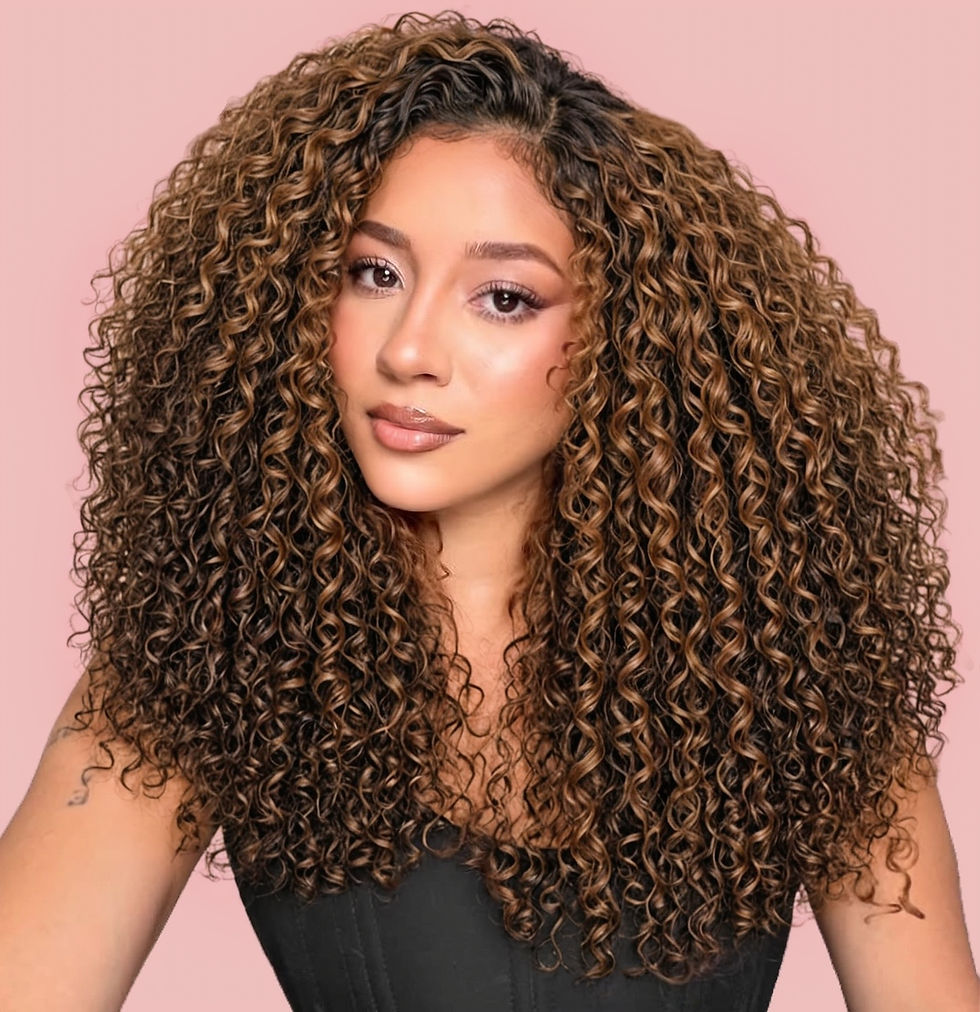
Beautiful Burmese curls begin with understanding how the texture responds to moisture, cleansing, styling, and daily handling. A thoughtful burmese curly hair care routine can help the mane remain soft, defined, manageable, and naturally full of movement without relying on excessive products or constant manipulation. The goal is not to force every curl into perfect uniformity, but to maintain the texture in a way that supports its natural shape, softness, bounce, and versatility. Burmese Curly tresses can be worn in many ways, from loose everyday curls and layered styles to elegant updos and vacation-ready looks. However, styling and maintenance work together. Even the most carefully created style can become dry, tangled, weighed down, or frizzy when cleansing, detangling, nighttime protection, and product use are overlooked. Knowing what the curls need and when they need it is the foundation for keeping the texture looking its best over time.
A Practical Routine for Keeping Burmese Curls Soft and Defined
For healthy-looking results, How to Take Care of Burmese Curly Hair and Easy Maintenance Tips begins with consistency rather than complexity. A dependable burmese curly hair care routine should address cleansing, conditioning, moisture, detangling, curl refreshing, and protection while avoiding unnecessary handling. Instead of following a rigid schedule regardless of the condition of the mane, pay attention to how the curls look and feel. If the tresses feel dry or rough, they may benefit from moisture and conditioning. If the curls feel coated, unusually heavy, sticky, or less defined, adding more leave-in products may make the problem worse. In that situation, cleansing away accumulated styling products can be more useful than applying another layer of moisture.
Wash the Curls Without Overworking Them
When cleansing Burmese Curly hair, focus on removing buildup while minimizing unnecessary friction. Saturate the mane thoroughly with lukewarm water before applying shampoo. Work the cleanser through the tresses gently rather than rubbing or bunching the curls together. Allow the water and cleanser to move downward through the lengths. Aggressive scrubbing, twisting, or piling the mane on itself can encourage tangling, especially when the curls are already intertwined.
Rinse thoroughly because shampoo residue can contribute to a coated feeling and interfere with natural curl movement. Washing frequency should also reflect product use and styling habits. Someone using several creams, gels, oils, or sprays may need to cleanse sooner than someone using only a lightweight leave-in. This responsive approach is an important part of burmese curly hair care because the condition of the curls should guide the routine.
Condition With Detangling in Mind
Conditioning provides an ideal opportunity to restore slip and make detangling easier. Distribute conditioner throughout the lengths, paying particular attention to areas that feel dry or catch easily. Give the product enough time to soften the tresses before beginning to separate knots. Detangle in manageable sections, beginning near the ends and gradually working upward. Fingers or a suitable wide-tooth detangling tool can be used depending on the density and condition of the mane.
Holding the section above the area being detangled can also reduce unnecessary pulling.
Do not rush through stubborn knots. Add more slip and carefully separate the strands instead of repeatedly pulling through resistance. Gentle detangling preserves the appearance of the curls and reduces avoidable stress during maintenance.
Balance Moisture With Product Buildup
Three words matter: moisture needs balance. Burmese Curly tresses generally look their most natural when the curls can move freely rather than being coated with multiple heavy products. Lightweight moisture can help curls feel supple, but continuously layering creams, oils, gels, and sprays may eventually leave the mane looking dull or weighed down. Product buildup can sometimes be mistaken for dryness because coated curls may feel rough or fail to respond normally to refreshing. Before applying more product, consider when the tresses were last thoroughly cleansed and how many styling products have been used since then. A simple burmese curly hair care approach is often easier to manage: cleanse when necessary, condition thoroughly, apply moisture according to the condition of the curls, and use styling products only when they serve a clear purpose.
Refresh Curls Without Completely Restyling Them
Three simple steps assess, mist, reshape can make refreshing easier. Not every curl needs to be soaked and restyled each morning. If most of the mane still looks defined, concentrate on flattened, frizzy, or separated sections instead. A light mist of water can help reactivate the appearance of curls. Where additional moisture is needed, use a small amount of an appropriate leave-in product rather than coating the entire head automatically. Gently reshape individual sections with your fingers and allow the curls to dry with minimal disturbance. This targeted technique reduces manipulation and can extend a style while maintaining natural movement.
Protect the Texture Before Going to Bed
Nighttime habits can influence how much refreshing is necessary the following morning. Allowing curls to rub freely against bedding can contribute to friction, tangling, flattening, and frizz. Gather the tresses loosely rather than securing them with excessive tension, and use a satin or silk bonnet, scarf, or suitable pillowcase to reduce friction. Make sure the mane is reasonably dry before prolonged nighttime covering, particularly after a full wash or heavy refresh. Consistent nighttime protection is one of the simplest burmese curly hair care habits because it helps preserve the work already put into detangling and defining the texture.
Creative Ways to Wear Burmese Curls for Different Occasions

For styling ideas, Burmese Curly Hairstyle Inspiration can range from relaxed everyday looks to polished special-event styles without requiring constant manipulation. The most practical burmese curly hair ideas work with the texture's existing curl formation and movement instead of requiring the mane to be repeatedly brushed, straightened, or completely restyled. The right style can also make maintenance easier. A loose layered look may emphasize natural volume, while a controlled updo can keep lengths contained during a busy day. Vacation styles may prioritize convenience and humidity management, whereas special-event looks can focus more heavily on shape and definition.
Defined Curls for an Easy Everyday Look
Three styling priorities definition, movement, softness can create an effortless everyday finish. Start with properly conditioned tresses and define the curls in sections using water and only as much styling product as necessary. Finger shaping can help encourage individual curls without making the finished result look overly controlled. Once the mane is styled, avoid repeatedly touching it while it dries. Constant handling can separate curl formations and contribute to frizz. When refreshing later, concentrate on visible areas that have lost definition instead of restyling every section. Among the easiest burmese curly hair ideas, this approach works well because it allows the texture itself to remain the main feature.
Layered Curls for Shape and Natural Movement
Three visual elements shape, volume, dimension make layered curly styles especially effective. Layers can prevent longer curls from appearing visually heavy while allowing shorter sections to frame the face and contribute to a rounded or cascading silhouette. Maintenance should focus on preserving the overall shape rather than forcing every curl into the same pattern. Lightly refresh the outer layers and face-framing sections when needed, then separate only a few curls for additional volume after the mane is completely dry. This is one of the more adaptable burmese curly hair ideas because the finished look can feel relaxed enough for everyday wear while still appearing polished for an evening out.
Half-Up Styles for Everyday Versatility
Three sections can transform the look: front, crown, lengths. A half-up curly style keeps part of the mane controlled while leaving the remaining curls visible. It can be useful when you want to keep tresses away from the face without placing all of the curls into an updo. Avoid repeatedly tightening and repositioning the secured section throughout the day. Choose a comfortable hold that keeps the style in place without unnecessary tension. At night, release the style gently and protect the curls rather than sleeping in a tightly secured arrangement.
Curly Updos for Special Occasions
Three things create elegance: shape, placement, restraint. Burmese curls can be gathered into a low curly bun, loose pinned updo, curly ponytail, or softly arranged formal style while retaining visible texture around the finished look. For formal styling, begin with curls that are already moisturized and detangled. This reduces the need for excessive brushing or product application while creating the updo. Instead of trying to flatten every curl, allow some natural texture to remain visible where it complements the style. These burmese curly hair ideas can transition easily from weddings and dinners to celebrations and professional events without requiring the texture to be completely transformed.
Vacation Styles That Keep Maintenance Manageable
Three vacation concerns humidity, activity, convenience should influence the styling plan. A holiday is rarely the ideal time for a complicated daily routine, so choose styles that can be refreshed quickly and secured easily when necessary. Loose curls, half-up styles, high curly ponytails, and simple pinned looks can provide flexibility. Carrying a small detangling tool, lightweight moisturizing product, and nighttime protection can also make maintenance more manageable without bringing an entire styling collection. If the tresses are exposed to swimming, wind, or prolonged outdoor activity, give them additional attention afterward. Detangle carefully and cleanse or condition according to what the mane actually needs. Vacation-friendly burmese curly hair ideas should make the trip easier, not create another demanding routine.
How Frizz, Heat and Daily Habits Can Change the Texture
Three everyday factors friction, buildup, heat can influence how Burmese Curly tresses look and behave. Frizz is not automatically a sign that the mane is damaged. Curl separation, humidity, dryness, manipulation, and friction can all affect the finished appearance. Before reaching for additional styling products, determine what may be causing the change. Curls that become frizzy shortly after sleeping may need better nighttime protection. Curls that lose definition after several days of styling products may need cleansing. Tresses that feel dry after repeated heat exposure may benefit from reducing heat and returning to a gentler maintenance routine.
Use Heat as an Occasional Styling Tool
Heat can temporarily change the appearance of curly tresses, but frequent high-temperature styling can affect how consistently the curls return to their original formation. When heat is used, work conservatively, use appropriate heat protection, and avoid repeatedly passing hot tools over the same sections. If the objective is simply to stretch the mane slightly or create a different silhouette, consider whether lower-manipulation styling methods can achieve the desired effect before reaching for very high temperatures. Good burmese curly hair care is partly about knowing what not to do repeatedly. The fewer unnecessary stresses placed on the texture, the easier it generally becomes to maintain its characteristic movement and definition.
Build a Routine Around What Your Curls Are Telling You
Three observations feel, appearance, behavior can guide a more practical routine than following maintenance rules without considering the condition of the tresses. Soft curls with good movement may need very little intervention. Dry-feeling curls may need moisture, while coated or unusually limp curls may need cleansing. Tangled areas may require better detangling technique or nighttime protection rather than additional styling products. A sustainable burmese curly hair care routine should therefore remain flexible. Washing, conditioning, detangling, refreshing, and protecting the mane are all important, but they do not necessarily need to happen with the same intensity every day.
The same principle applies to burmese curly hair ideas. Everyday defined curls, layered looks, half-up styles, vacation-ready arrangements, and special-occasion updos can all work beautifully when styling supports the texture instead of constantly disrupting it. Choose looks based on the occasion, the condition of the curls, and how much manipulation will be required to maintain them. Ultimately, gorgeous Burmese Curly tresses are less about chasing perfect curls every day and more about maintaining a consistent relationship between cleansing, moisture, protection, and styling. When the mane is handled gently, buildup is addressed before it becomes excessive, heat is used thoughtfully, and styles are refreshed selectively, the curls can retain the softness, definition, fullness, and natural movement that make the texture so versatile.


Comments