


The Ultimate Styling Guide to Straight Clip-Ins: Expert Techniques for Seamless Blending and Applying Clip-In Hair Extensions Like a Pro

There is something undeniably powerful about sleek, flowing tresses that move with precision and polish. Whether you are stepping into a boardroom, attending a glamorous evening event, or simply elevating your everyday style, the right extensions can transform your entire presence. Among the most versatile and beginner-friendly options available today are straight clip-ins, a styling staple for women who crave flexibility, fullness, and flawless blending without long-term commitment. This ultimate guide will walk you through everything you need to know about selecting, styling, and maintaining straight extensions for seamless results. From texture matching and sectioning techniques to expert heat styling and longevity routines, you will learn how to elevate your mane with confidence. We will also dedicate a comprehensive section to applying clip-in hair extensions the professional way, covering preparation methods, flat installation strategies, crown coverage, blending hacks, and sleek finishing techniques for middle parts, side parts, and ponytails. Consider this your masterclass in achieving a smooth, natural finish that looks like it grew directly from your scalp.
Why Straight Clip-Ins Are the Go-To Choice for Sleek, Polished Styles
Sleek, polished styles become effortless when Straight Clip-In Hair Extensions are added to your routine, delivering instant length, fuller density, and a refined finish without disrupting your natural silhouette. The key to achieving a truly seamless result starts before you install a single weft: success lies in choosing the right texture profile, planning density with intention, and selecting a shade that aligns perfectly with your undertone so everything blends as one cohesive, fluid look.
Texture Matching That Looks Real in Any Lighting
With straight styles, texture alignment is everything. Not all straight finishes are identical; some are silky and fluid with reflective shine, while others resemble a relaxed texture with subtle body and softness. If your base is silk-pressed, opt for a smooth, glossy straight finish to mirror that polished effect. If your mane is relaxed with natural fullness, choose a straight texture that carries slight density so it does not appear flat against your roots. When texture mismatches occur, especially near the crown, the difference becomes visible under bright lighting. Precision matching ensures your added length blends invisibly from root to tip.
Density Planning Like a Professional Stylist
Strategic volume placement makes all the difference. Fine tresses can quickly look bulky if thick wefts are stacked too high near the crown, while naturally dense hair may appear stringy if too few pieces are installed. Lay your wefts out beforehand and plan placement: fuller pieces should anchor the back and mid-sections, while smaller wefts frame the sides and temple area. Think gradual density, never an abrupt shift from flat to overly full. The goal is balance that mimics natural growth patterns.
Color Blending Beyond Basic Shade Matching
True color blending goes beyond selecting “black” or “brown.” Evaluate undertones in natural daylight. Warm bases carry golden or chestnut hints, cool bases lean ash or inky, and neutral tones fall between both. If you are undecided, selecting a slightly lighter shade can blend beautifully once heat-styled. Reviewing shade charts in natural lighting is essential because indoor lighting can distort depth and warmth.
Sectioning for Invisible Installation
Clean, horizontal sections beginning at the nape create the foundation for a flawless result. Use a rat-tail comb for precision and clip upper layers neatly away. Each section should align with the width of your weft to prevent bunching or uneven placement. Straight, balanced partings allow the extensions to lay flat and follow the natural contour of your head, preventing visible ridges.
Heat Styling for a Unified Finish
After installation, refine the look using controlled heat and proper tension. Always apply thermal protection before styling. A ceramic or titanium flat iron set between 300–375°F, depending on your base texture, should glide smoothly from root to ends in one steady pass. Avoid excessive repetition, as too much heat can reduce longevity. Focus instead on holding your natural strands together with the added hair during each glide to create a smooth, cohesive finish.
Movement, Crown Control, and Finishing Touches
Softening the ends with light point-cutting prevents harsh lines and encourages natural flow. A subtle bend at the tips adds dimension and realism. Keep thicker wefts slightly below the part line to preserve flexibility at the crown, and use smaller pieces for areas requiring light coverage. These small adjustments create movement that looks effortless and professionally blended.
Step-by-Step Guide to Applying Clip-In Hair Extensions for Maximum Comfort and Hold
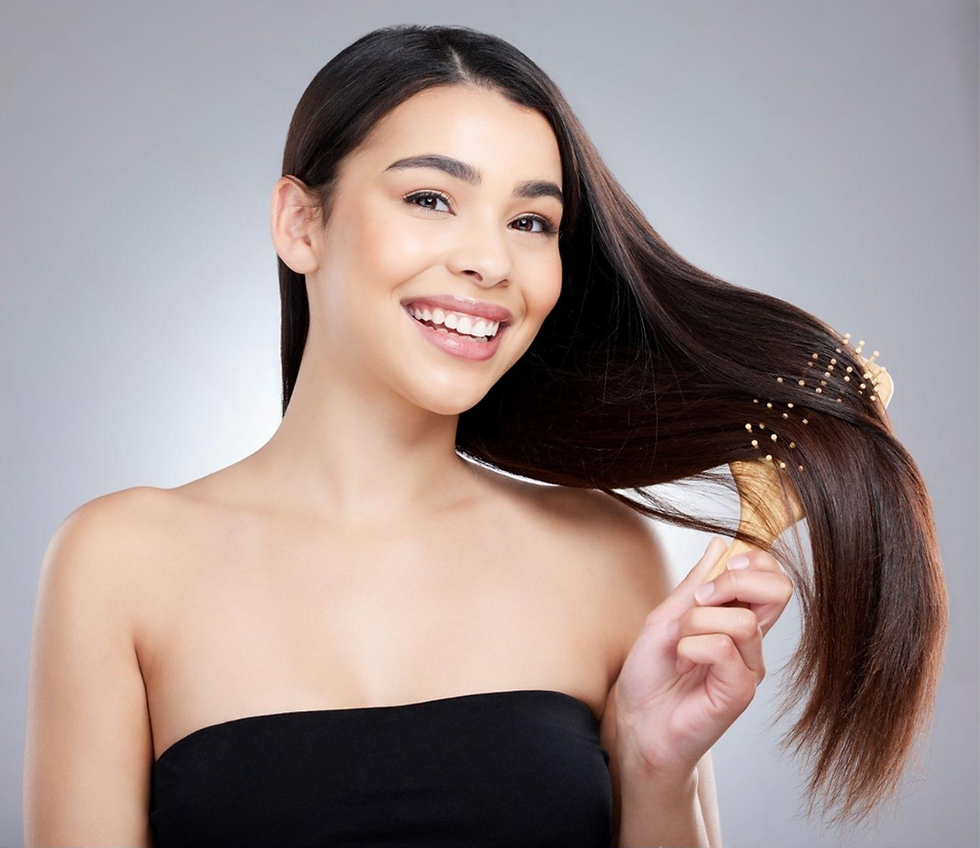
If you have ever wondered how to Properly Apply Clip-In Hair Extensions without visible clips, bumps, or awkward spacing, it comes down to three things: precision, preparation, and placement. The goal is a secure hold that stays comfortable, looks flat at the root, and blends so seamlessly your finish reads like a fresh salon appointment. Learning how to apply clip-in hair extensions is what takes a quick install from cute to truly polished.
Step 1: Preparing the Base for Grip and Smoothness
Start with clean, fully dry tresses so the clips can anchor properly. If you are choosing a blow-dry base, smooth the roots thoroughly using a paddle brush and concentrator nozzle. This is especially helpful for women transitioning from textured styles because it stretches the hair while keeping movement. For a silk press base, aim for maximum sleekness by ensuring the roots are fully straightened. Any leftover puffiness at the attachment points can make wefts sit unevenly. Avoid heavy oils or greasy leave-ins right before installing, since slip can cause clips to migrate.
Step 2: Strategic Sectioning That Looks Natural
Create your first clean horizontal section about one inch above the nape and clip the rest of the hair upward. For extra security, especially on silky hair, tease lightly at the root where each weft will sit. Open each clip fully before positioning it against the teased area, then snap it closed with firm control, not pulling. A properly placed weft should feel stable and locked in, but never tight or painful.
Step 3: Flat Installation Technique for a Professional Finish
One pro secret with applying clip-in hair extensions is keeping everything flat. Avoid stacking wefts directly on top of each other as you move upward. Instead, stagger them slightly so volume distributes evenly and you do not build bulk around the occipital bone. This also helps the hair fall in a smoother curtain, which makes blending easier once you style.
Step 4: Crown Placement and Parting Control
As you approach the crown, switch to smaller wefts and install slightly below your intended part. Leave enough natural hair above to fully conceal clips, then test by gently shaking your mane side to side and checking visibility in a mirror from multiple angles. For middle parts, keep placements balanced on both sides for symmetry. For dramatic side parts, concentrate density on the heavier side so the shape does not feel lopsided.
Step 5: Side and Temple Precision for Sleek Styles
For sleek side parts, ponytails, or tucked looks, use single-clip pieces near the temples for targeted fullness. You can even place them vertically for better contour accuracy, especially when styling upward. Keep the pieces slightly back from the hairline so your natural strands can veil the attachment points cleanly.
Step 6: Blending and Finishing Touches
Once all wefts are installed, blend with light heat. One controlled pass is usually enough to marry your natural strands with the extensions. Finish with a lightweight shine spray focused on mid-lengths and ends for a smooth, refined sheen without greasy roots. For extra realism, use vertical trimming for a natural taper, add micro bends at the ends to mimic natural movement, and wrap a small strand around a ponytail base to conceal the band.
Choosing the Right Length, Density, and Texture for a Seamless Blend
Flawless results begin with choosing the correct set. Even the best installation technique cannot compensate for poor matching.
Length Selection
If your natural hair falls between your shoulders and mid-back, choose extensions no more than four to six inches longer for the most realistic finish. Extremely long lengths can look dramatic, but blending becomes more technical and requires additional layering.
Density Matters
Fine hair types should opt for lighter density sets to prevent visible bulk. Thicker hair can handle fuller wefts. The goal is balance, not overwhelming your natural strands. When in doubt, build gradually rather than installing every weft at once.
Texture Matching
If your hair is relaxed or freshly silk-pressed, sleek straight extensions will blend effortlessly. If your hair has a slight texture, lightly straighten your natural hair to achieve uniformity before installing. Strategic layering and trimming after installation can make a dramatic difference in realism.
Preparing Your Natural Hair Before Installing Clip-In Extensions
Preparation is where most styling mistakes happen. A smooth foundation ensures your extensions lay flat and remain secure throughout the day.
Start with Clean Hair
Clean hair allows clips to grip properly. Product buildup can cause slipping and shorten wear time.
Blow-Dry or Silk Press Thoroughly
If your goal is a sleek finish, ensure your natural hair is fully dry and straightened. Even slight texture differences can disrupt blending and create visible separation.
Apply Heat Protectant
Before flat ironing, use a lightweight heat protectant to shield your strands. Healthy natural hair ensures better long-term results with extensions.
Create Strategic Parts
Section your hair horizontally, starting from the nape. Clean, straight parts help ensure even placement and professional-level precision.
Styling Straight Clip-Ins for Everyday and Occasion Looks
Once installed, styling possibilities expand beautifully. Straight Clip-Ins transition seamlessly between professional and glam aesthetics.
Sleek Middle Part
Use a fine-tooth comb to define your part and refine with light serum for a glossy finish.
Soft Body Waves
Add loose bends with a curling iron, then brush through for airy movement that still maintains polish.
Low Ponytail
Ensure wefts are placed low enough to allow gathering. Wrap a small strand around the base for a refined finish.
Half-Up Style
Keep crown placement minimal to allow flexibility and avoid exposing wefts when lifting the top section.
Protecting and Maintaining Your Straight Clip-Ins for Long-Term Wear
Maintenance determines how long your extensions retain their silky movement and shine.
Remove Nightly
Never sleep in clip-ins. Removing them prevents unnecessary tension and friction.
Detangle Gently
Brush from ends upward using a wide-tooth comb or extension brush to prevent shedding.
Wash Sparingly
Cleanse only when necessary using sulfate-free shampoo, then condition mid-shaft to ends. Avoid saturating clips.
Air Dry When Possible
Excessive blow-drying can reduce longevity. Lay extensions flat to dry to preserve alignment.
Use Lightweight Serums
Heavy oils weigh down straight textures. Choose lightweight glossing products for movement and shine.
When to Choose Clip-Ins Over Sew-Ins or Tape-Ins
Clip-ins offer flexibility that permanent methods cannot.
No salon appointment required
No adhesive or braiding tension
Easy removal
Ideal for occasional styling
Budget-friendly over time
If you value versatility and hair health, mastering applying clip-in hair extensions gives you complete control over your styling routine.
Final Styling Takeaway: Mastering Sleek Length with Confidence
The difference between average and flawless results lies in preparation, placement, and blending. When chosen carefully and installed correctly, straight clip-ins enhance your natural beauty without compromising hair health.
From precise sectioning to mastering applying clip-in hair extensions with comfort and intention, the key is balance: seamless integration, strategic layering, and thoughtful maintenance. With the techniques in this guide, you are not just wearing extensions. You are styling with confidence, polish, and professional-level precision.

Comments