


Choosing Kinky Curly Hair Extensions That Match Your Natural Curl Pattern
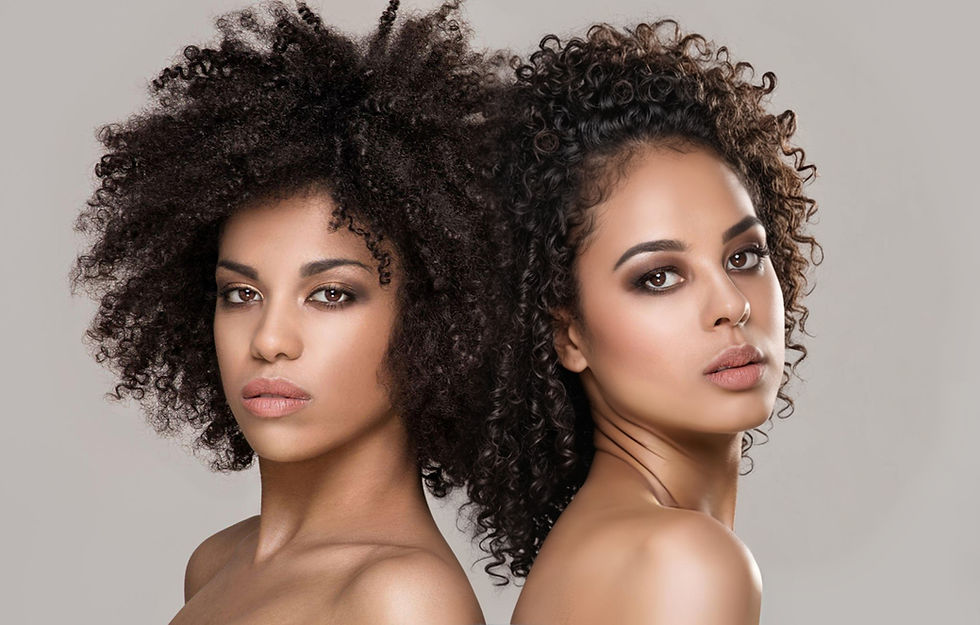
Finding Kinky curly extensions that truly disappear into your natural texture is about much more than choosing a curl that looks similar at first glance. Every curl pattern has its own level of density, shrinkage, strand thickness, and styling behavior, all of which influence how naturally extensions blend with your own mane. Whether your curls are defined ringlets, soft coils, or tightly packed kinks, taking time to understand your unique texture helps create a seamless, realistic finish that moves and styles like your natural tresses. Many people focus only on curl shape, but successful blending depends on several characteristics working together. Texture, fullness, porosity, volume, and how your curls react to humidity all contribute to the final result. Choosing extensions that complement these traits allows you to wear protective styles, increase length, or add fullness without creating an obvious transition between your natural mane and the added tresses. This guide explains how to identify your curl pattern, compare different curly textures, and select extensions that match your styling goals.
Matching Kinky Curly Extensions Starts with Understanding Your Texture Family
Before purchasing curly extensions, learning the differences explained in the ONYC® 3B-3C vs Loose Kinks vs 3C-4A vs Afro Kinks 4C blog provides valuable insight into how similar-looking textures can perform very differently once installed. While two curl patterns may appear alike in product photos, differences in coil diameter, shrinkage, and density often determine whether extensions blend naturally or stand out. The most natural-looking installations happen when every characteristic not just curl shape is considered together. Extensions should behave similarly during washing, air drying, moisturizing, and styling so they continue blending well throughout everyday wear.
Why Curl Pattern Is Only One Part of the Equation
Many shoppers assume curl pattern alone determines compatibility, but experienced stylists evaluate several characteristics simultaneously. The closer these qualities align, the easier it becomes to create a flawless finish.
Consider these important blending factors:
Curl diameter and definition
Natural density and overall fullness
Shrinkage after washing
Strand thickness
Luster level
Reaction to moisture and humidity
Styling versatility
Looking at all these characteristics together makes the information found in the 3B-3C vs 3C-4C hair comparison especially valuable because it compares multiple textures beyond simple curl appearance.
How to Identify Your Natural Curl Pattern Correctly
The easiest way to identify your texture is by examining freshly washed, product-free tresses after they have completely air dried. Heavy styling creams or stretching techniques can temporarily change curl formation, making identification less accurate. Instead of focusing on one section of your mane, examine several areas including the crown, sides, back, and nape. Many people naturally have two or even three curl patterns throughout their head. Selecting extensions that complement the dominant texture usually creates the smoothest transition.
Recognizing the Characteristics of 3B-3C Curls
Type 3B-3C curls are known for springy ringlets that offer excellent definition while maintaining noticeable volume. These curls often have moderate shrinkage and respond well to moisturizing products without losing their natural bounce. Individuals with this texture generally benefit from extensions that preserve curl definition while matching their natural movement.
Choosing overly tight coils can create an obvious difference, while looser waves may appear disconnected from the natural curl pattern. Using the observations provided in the 3B-3C vs 3C-4C hair comparison can help determine whether your texture leans closer toward tighter coils or more open ringlets before selecting extensions.
Understanding Loose Kinky Textures
Loose kinky textures bridge the gap between defined curls and tighter coils. They typically provide significant volume while maintaining a softer curl formation than highly compact Type 4 patterns. Their balance of fullness and movement makes them popular among individuals seeking naturally voluminous installations. Because loose kinky textures can vary in shrinkage, matching overall density becomes just as important as matching the visible curl pattern. Extensions with similar expansion after washing tend to blend more naturally over time.
What Makes 3C-4A Patterns Unique
Type 3C-4A textures combine tightly defined corkscrew curls with increased volume and noticeable shrinkage. Individual strands may remain highly defined while collectively creating impressive fullness throughout the mane. These textures often require extensions capable of maintaining curl integrity after repeated washing. The closer both shrinkage and density align with your natural tresses, the less visible the blending line becomes.
The comparisons found throughout the 3B-3C vs 3C-4C hair comparison help explain why even slight differences between neighboring curl families can significantly influence the finished look.
Recognizing Afro Kinks 4C Texture
Afro Kinks 4C textures are celebrated for maximum fullness, tightly packed coils, and remarkable versatility. While the curl definition may appear less visible than other patterns, these coils create exceptional body and realistic volume. Matching this texture successfully requires paying close attention to shrinkage, density, and strand thickness rather than relying solely on curl definition. Extensions designed with realistic expansion and natural movement generally create the most seamless blend.
Matching Density for a More Natural Finish
Density influences how full your hairstyle appears from root to tip. Even perfectly matched curls may look unnatural when extension density differs significantly from your own mane. People with medium-density natural tresses often achieve better blending by gradually building fullness instead of installing excessively dense bundles all at once. Likewise, those with naturally thick curls should avoid sparse extensions that leave visible transitions between natural tresses and added length.
Why Shrinkage Deserves Equal Attention
Shrinkage changes the apparent length of curly extensions after washing. Choosing extensions that closely mimic your own shrinkage pattern helps maintain consistent proportions throughout your hairstyle. For example, extensions that retain excessive length after washing may appear disconnected from highly shrinking natural curls. Evaluating shrinkage alongside curl shape produces a far more realistic finish than comparing curl patterns alone.
Selecting Extensions That Match Your Styling Goals
Every installation serves a different purpose. Some individuals want extra volume for everyday styling, while others prioritize protective styling, longer lengths, or greater versatility.
Ask yourself several practical questions before purchasing:
Will you wear wash-and-go styles most often?
Do you regularly stretch your curls?
Will you diffuse or air dry your tresses?
Do you want maximum volume or subtle fullness?
Will you frequently style with heat?
Do you prefer low-maintenance protective styling?
Answering these questions while reviewing the recommendations within the 3B-3C vs 3C-4C hair comparison helps narrow down textures that complement both your natural curls and long-term styling preferences.
What Beauty Editors Recommend for 3B/3C Clip-Ins and Choosing the Right Match

Once you've identified Top Pick for 3B/3C Clip-In Hair Extensions By BYRDIE, it's helpful to compare your findings with trusted editorial resources. While your own texture should always guide the final decision, professional reviews can provide additional confidence when narrowing down quality options. This editorial feature serves as a valuable reference for shoppers researching clip-in extensions designed to complement naturally curly tresses.
Editorial recommendations should never replace understanding your own curl pattern, but they can highlight products recognized for realistic texture, comfortable wear, and natural-looking results. Combining personal texture analysis with the expert insights shared in BYRDIE's favorite 3B/3C extensions gives readers a more informed approach to selecting extensions that blend beautifully with their mane.
Why Editorial Reviews Matter When Comparing Curly Extensions
Professional beauty editors evaluate extensions from a user-first perspective, considering factors that many first-time buyers overlook. Instead of focusing only on appearance, they often assess how extensions perform during installation, styling, and everyday wear.
Resources such as BYRDIE's favorite 3B/3C extensions help readers understand why certain extensions consistently receive praise for realistic curl definition, softness, and overall blending ability. These observations can complement your own research without replacing the importance of matching your natural curl pattern.
Choosing Clip-In Extensions for 3B/3C Curls
Clip-in extensions are especially popular among individuals with 3B-3C curls because they offer flexibility without requiring a long-term installation. They can add noticeable fullness for special occasions while still allowing your natural tresses to remain the primary focus.
When selecting clip-ins, prioritize:
Natural curl definition that closely matches your own.
Density that complements your existing volume.
Realistic movement from root to tip.
Minimal visible transition between your natural mane and the extensions.
The ability to style alongside your own curls without excessive manipulation.
Comparing these characteristics with the observations shared in BYRDIE's favorite 3B/3C extensions can make the buying process much easier, especially if you're purchasing curly clip-ins for the first time.
Texture Matching Always Comes Before Length
Many shoppers choose extensions based primarily on length, only to discover that the curls blend poorly. In reality, texture compatibility should always take priority over inches. Even shorter extensions that closely resemble your natural curl pattern will create a far more convincing finish than longer extensions with mismatched coils. Using the guidance provided throughout the 3B-3C vs 3C-4C hair comparison allows you to narrow down texture options before deciding on your preferred length.
Balancing Density and Volume for Seamless Blending
Adding more bundles doesn't automatically create a better hairstyle. Excessive density can make extensions appear separate from your natural curls, while insufficient fullness may leave noticeable gaps throughout the finished style.
The most natural installations balance the density of the extensions with the natural fullness of your own mane. This approach creates gradual transitions that remain believable whether your curls are freshly defined or naturally expanded throughout the day.
Thinking Beyond Curl Shape
Natural-looking curly extensions imitate much more than the visible curl pattern. Strand thickness, softness, luster, and movement all influence how realistic the final style appears. Extensions that share similar shine levels and respond similarly to moisture generally blend more effortlessly than those with noticeably different finishes. Paying attention to these details often produces a more polished result than focusing solely on curl size.
Protective Styling Without Sacrificing a Natural Look
Many people choose curly extensions as part of a protective styling routine. Selecting a texture that closely resembles your natural curls allows your hairstyle to remain authentic while reducing the need for constant manipulation.
Whether your goal is preserving length, experimenting with new styles, or simply adding fullness, choosing extensions that naturally complement your existing texture makes maintenance easier and helps your overall style look more cohesive.
Caring for Curly Extensions to Maintain Their Texture
Even the best texture match requires proper care to remain beautiful over time. Curly extensions perform best when treated similarly to naturally curly tresses, especially regarding moisture balance and gentle handling.
Helpful maintenance practices include:
Detangle gently using fingers or a wide-tooth comb.
Cleanse with sulfate-free products whenever possible.
Deep condition regularly to maintain softness.
Allow curls to air dry whenever practical.
Avoid excessive brushing on dry curls.
Store extensions carefully to preserve curl formation.
Following these habits helps maintain curl definition while extending the lifespan of your extensions and preserving their ability to blend naturally with your own mane.
Final Thoughts
Choosing curly extensions that truly match your natural curl pattern begins with understanding far more than curl shape alone. Density, shrinkage, strand thickness, movement, and styling habits all contribute to creating a seamless blend. By first studying the insights found in the 3B-3C vs 3C-4C hair comparison and then considering the trusted editorial perspective offered through BYRDIE's favorite 3B/3C extensions, you'll be better equipped to select extensions that complement your natural texture instead of competing with it.
The most successful curly extension journey is always personal. Rather than chasing trends, focus on choosing textures that reflect how your own tresses naturally look, feel, and behave. Taking this thoughtful approach helps create hairstyles that remain beautiful, believable, and effortlessly blended every day.


Comments